Review · Blood sugar
Gluco6 review: a real ingredient, a very small dose
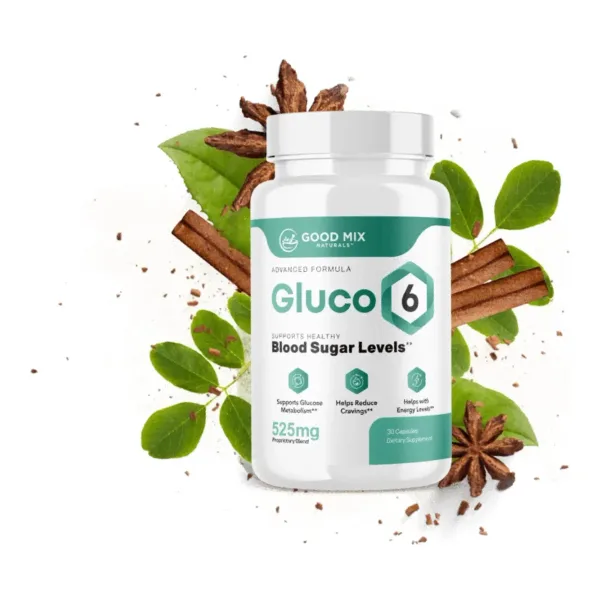
Gluco6 is a one-capsule blood sugar support supplement built around L-arabinose, a plant sugar that slows how fast table sugar is digested. We read the label and the trials line by line. The core idea has research behind it. The capsule does not carry the amounts that research used.
Our verdict: 2.1 / 5
| Ingredient evidence | 2.5 | L-arabinose has solid short meal-test data; chromium and gymnema are mixed; cinnamon and green tea do not hold up in the stronger reviews |
|---|---|---|
| Dosing vs. research | 1.5 | The whole 525 mg blend is a fraction of a single L-arabinose trial dose; chromium is the one generous amount |
| Label transparency | 1.5 | Proprietary blend; the sales page and label disagree on cinnamon type, ingredient count and stimulants |
| Value and refund terms | 3 | $39 to $69 per bottle, no subscription; 60-day refund with return shipping on you and mixed wording on opened bottles |
Worth considering if you want a daily chromium and thiamine supplement with a few botanicals, you have checked it with your doctor, and you understand that the headline ingredient is present in a token amount.
Probably skip it if you are buying it for L-arabinose. The trials gave 3 to 7.5 grams stirred into a sugary drink. You can buy plain L-arabinose powder and get closer to those amounts than any capsule can.
Before anything else: Gluco6 is a dietary supplement. It does not replace diabetes medication, diet changes or blood tests. If you take anything that lowers blood sugar, talk to your doctor before adding it, because several ingredients may push glucose down further.
Smallest order $138, from $39 per bottle, 60-day refund policy from the seller
See the current Gluco6 packages, shipping and refund termsOpens the seller's page. It may start with a long video or letter; the packages and refund terms are usually further down. We may earn a commission.
Came here for Gluco6? The highest-rated blood sugar label we checked is GlucoBerry, 3.6 out of 5.
What Gluco6 is
Gluco6 is a capsule supplement sold through ClickBank. The label carries a "Good Mix Naturals" logo and names Gluco6 of Aurora, Colorado, as distributor. The serving is one capsule a day; the sales page says to take it before breakfast with water. Each bottle holds 30 capsules. It is sold on the brand's own site as a one-time purchase in 2, 3 and 6-bottle packages, and the affiliate page says it is also sold through BuyGoods.
The sales page says it supports glucose metabolism, weight loss and energy. Its story is that years of hidden sugar exhaust the GLUT4 "gateways" that move glucose into cells, and that a "healthy sugar" it calls Sukre takes the pressure off. It promotes Gluco6 to men and women, and our review looks at it for men over 50.
What is on the label
We read the Supplement Facts panel shown on the sales page. We do not reproduce it, because the vendor's affiliate terms allow only the materials it supplies for promotion and the label is not among them. Per capsule:
- Vitamin D3: 50 mcg (2,000 IU)
- Vitamin B1 (thiamine): 100 mg
- Chromium (as chromium niacinate): 1 mg, which is 1,000 mcg
- Proprietary blend, 525 mg: Sukre prebiotic fiber (L-arabinose), theobromine, green tea leaf extract (98% polyphenols, 65% EGCG), eleuthero root, theacrine (as TeaCrine), cinnamon (Cinnamomum cassia) bark and gymnema leaf. No individual amounts.
That is ten active ingredients, three of them a stimulant or tea-based compound. Supplement labels list blend contents from most to least by weight, so L-arabinose is probably the largest part. Even if the whole blend were L-arabinose, that would be 525 mg.
The formula next to the research
| Ingredient | Gluco6 per day | Amount in trials | How it compares |
|---|---|---|---|
| L-arabinose | Under 525 mg (share of blend) | About 3 g to 7.5 g, taken with sugar [1] [3] [2] | Roughly 6 to 14 times lower at best |
| Chromium | 1,000 mcg (niacinate) | Benefit linked to more than 200 mcg/day [7] | Above that level; mixed results |
| Gymnema leaf | Not disclosed (share of 525 mg) | 600 mg/day [9] | Cannot reach the trial dose |
| Cassia cinnamon | Not disclosed | Mean about 2 g/day [11] | Far lower; evidence inconclusive anyway |
| Thiamine | 100 mg | 300 mg/day [14] | A third of the trial dose |
| Vitamin D3 | 2,000 IU | 4,000 IU/day [15] | Half; main outcome not significant |
| Green tea extract | Not disclosed | No glucose benefit in pooled trials [13] | Unlikely to add much |
| Theacrine, theobromine, eleuthero | Not disclosed | No glucose trials found | Cannot be compared |
L-arabinose: genuine effect, specific conditions
L-arabinose is a five-carbon sugar found in plant fibers. It slows the enzyme that splits table sugar (sucrose) in the gut. In a Danish trial, 15 healthy men drank 75 g of sucrose with 0% to 4% added L-arabinose; the 4% drink, about 3 g, gave an 11% lower glucose peak and a 33% lower insulin peak, with no stomach complaints [1]. In a Dutch tracer study of 12 young adults, 7.5 g with 50 g of sucrose cut the peak from 8.2 to 6.6 mmol/L and spread absorption out over time [2]. Adding 5 g to a sugar drink lowered the glucose peak by 15%, but only by 7% to 8% once starch or fat were in the drink [3].
The most relevant trial for our readers enrolled 18 adults averaging 73 years, 14 of them men, with fasting glucose above normal. L-arabinose added to a sucrose drink lowered the glucose peak by 14% and the insulin peak by 30%. Over a two-day diet of ordinary sugary meals and snacks with L-arabinose beforehand, however, glucose variability did not improve [4].
So the research supports this: several grams of L-arabinose, eaten together with table sugar, blunt that one sugar spike. It does not show an effect from a few hundred milligrams in a morning capsule, separated from the meals that matter. Gluco6 also calls it "prebiotic fiber"; the trials studied it as a sucrase blocker.
The closest match to Gluco6 we found combined L-arabinose with chromium. Taken together with a 70 g sucrose drink, it gave lower glucose and insulin responses than the sucrose drink alone in 20 and then 50 adults [5]. The abstract does not state the amounts, the study was run with the sugar load, and it did not test Gluco6.
Chromium: the most generous dose, mixed evidence
At 1,000 mcg, the chromium amount is high. A 2014 meta-analysis of 25 trials in people with diabetes found HbA1c about 0.55 points lower than placebo and suggested more than 200 mcg a day was needed; the effect was clearest with chromium picolinate, and adverse events did not differ from placebo [7]. A 2020 meta-analysis of 28 trials also reported lower fasting glucose and HbA1c, but with extreme variation between studies (I² near 100%) [8]. The 2014 review saw the clearest effects with chromium picolinate; Gluco6 uses chromium niacinate.
Gymnema: promising, but out of reach in this blend
In a placebo-controlled trial of 30 adults with impaired glucose tolerance, 300 mg of gymnema twice a day lowered two-hour glucose and HbA1c (5.8% to 5.4%) [9]. A meta-analysis of 10 studies (419 people with type 2 diabetes) reported improvements, but it compared results with each person's own starting values and heterogeneity was high [10]. Gymnema shares a 525 mg blend with six other ingredients, so it cannot be at 600 mg.
Cinnamon, green tea, thiamine and vitamin D
The Cochrane review of cinnamon, mostly cassia at about 2 g a day, found no significant difference in HbA1c or after-meal glucose and called the fasting glucose results inconclusive [11]. A later meta-analysis found lower fasting glucose but no significant change in HbA1c [12]. A meta-analysis of 14 trials found no significant effect of green tea on fasting glucose, insulin or HbA1c in type 2 diabetes [13].
Thiamine at 300 mg a day for six weeks improved two-hour glucose from baseline in 12 people with high blood sugar [14]; Gluco6 gives 100 mg. In the D2d trial, 2,423 adults with prediabetes took 4,000 IU of vitamin D3 or placebo for a median 2.5 years, and the difference in new type 2 diabetes was not statistically significant [15]. Gluco6 gives half that dose. For theacrine, theobromine and eleuthero we found no human glucose trials.
Where the sales page and the label disagree
- Cinnamon type. The sales page describes concentrated Ceylon cinnamon. The label lists Cinnamomum cassia, which is a different species and the main dietary source of coumarin [23].
- "No stimulants." The page lists this as a feature. The label contains theobromine, a caffeine-related methylxanthine that raised heart rate in a dose-dependent way in volunteers [17], plus theacrine and a green tea extract that does not say it is decaffeinated.
- Six ingredients. The page presents six. The label has ten actives, including vitamin D3, thiamine, theobromine and eleuthero, which the page does not describe.
- "Sukre." Here the trade name is defined as L-arabinose. On the Fast Lean Pro label, the same word labels a purified acacia fiber. Readers should go by the chemical name.
What the marketing claims vs. what we could verify
The sales page says the formula is backed by Harvard research and that A1C has dropped by up to 2.8 points in 90 days. We found no published Gluco6 trial and no Harvard study of L-arabinose and GLUT4 on PubMed. Of the page's three listed references, one is the Danish meal-test trial above [1], one is a Japanese meal study we could not find on PubMed, and one is a six-week study in rats [6]. None tested this product, and none measured A1C in people. The weight-loss figures and timeline on the page are also not tied to any study we could find. We do not rely on them here.
How Gluco6 compares with other blood sugar labels
We compared this label with the blood sugar formulas we have already reviewed. It is not identical or near-identical to any of them. It overlaps most with CelluCare, which also pairs gymnema, cassia cinnamon, eleuthero, chromium and vitamin D in a blend of about the same size, but Gluco6 swaps berberine and the other botanicals for L-arabinose, tea compounds and a much larger chromium dose. It shares little with the 200 mg herbal-blend formula in Sugar Defender.
Price, packages and refund policy
One bottle lasts 30 days. Prices on the sales page when we checked:
- 6 bottles: $39 each ($234 total), free US shipping, two digital guides. About $1.30 a day.
- 3 bottles: $49 each ($147 total), free US shipping, two digital guides.
- 2 bottles: $69 each ($138 total), free US shipping.
There is no single-bottle option and no subscription. The refund window is 60 days. The returns page says opened and unopened bottles can be sent back for a full refund, but you pay return shipping and must open a ticket first; the guarantee box mentions unused bottles while the FAQ says even empty ones. Ask support to confirm in writing before you return anything. Since the page itself talks about three to six months of use, a 6-bottle order runs well past the refund window.
Gluco6 packages on the seller's site
6 bottles, 180-day supply
$39/bottle
$234 total · Free US shipping
Lowest price per bottle
Includes 2 digital guides from the seller
Check the 6-bottle price3 bottles, 90-day supply
$49/bottle
$147 total · Free US shipping
Includes 2 digital guides from the seller
Check the 3-bottle priceButtons open the seller's Gluco6 website, where you choose your supply and complete the order. Prices as listed on the seller's site on October 23, 2026; the price shown at checkout is final.Orders are covered by a 60-day refund policy from the seller (see their terms). We may earn a commission.
Safety and medication interactions
The ingredients were generally well tolerated in the trials above, and L-arabinose caused no stomach complaints at 3 g [1]. Theacrine showed no safety signals at 200 to 300 mg a day for eight weeks in young adults [16]. The points that matter for men over 50:
- Glucose-lowering drugs. Chromium, gymnema and L-arabinose all act on blood sugar. Combined with insulin, sulfonylureas or other diabetes medicines, the effects may add up. A case report describes low blood sugar possibly linked to a chromium salt [18]. Check your readings and talk to your prescriber before starting.
- Blood pressure drugs. Green tea extract reduced blood levels of the beta blocker nadolol [19] and of lisinopril, an ACE inhibitor, by about two-thirds in healthy volunteers [20].
- Liver. A US Pharmacopeia review linked concentrated green tea extracts to rare liver injury at EGCG intakes from 140 mg a day, noted that taking them fasting raises EGCG absorption, and advises taking them with food [21]. Gluco6 suggests taking it before breakfast. A case of liver injury has also been reported with gymnema [22]. Cassia adds coumarin, which some people are sensitive to [23]. Avoid it if you have liver disease.
- Heart rate. Theobromine and theacrine are caffeine relatives. If you have a rhythm problem or are sensitive to caffeine, ask your doctor first.
Results vary from person to person. New or worsening symptoms such as unusual thirst, frequent urination, blurred vision or numbness deserve prompt medical care, and nothing here is a reason to change a prescription on your own.
What we liked and what gave us pause
Liked
- L-arabinose has careful human trials, including one in adults in their 70s
- Chromium, thiamine and vitamin D3 doses are disclosed
- No subscription; free US shipping on every package
- The label names the actual compound behind "Sukre"
Gave us pause
- L-arabinose and gymnema well below any trial dose
- Cinnamon species, stimulants and ingredient count differ between page and label
- A1C and Harvard claims we could not verify
- Green tea extract interactions with common blood pressure drugs
Frequently asked questions
Does Gluco6 replace diabetes medication?
No. It is a dietary supplement. Do not stop or change a prescription without your doctor, and tell them before you add anything that affects blood sugar.
Is Sukre the same as L-arabinose?
On the Gluco6 label, yes: Sukre is listed as L-arabinose. The same trade name appears on other labels next to a different fiber, so check the ingredient in parentheses.
How long before I notice anything?
Results vary. L-arabinose trials measured single meals over a few hours, and the chromium and gymnema trials ran for weeks to months. A home glucose meter or your next lab test is a better guide than how you feel.
Where is it sold?
On the brand's own website. The seller says it is not sold through Amazon, eBay or stores, so other listings may not be covered by the refund policy.
Want to read the seller's page yourself? The link below opens the Gluco6 website, where you can see the full presentation and the label.
Visit the Gluco6 websiteHow we reviewed Gluco6
We followed the ClickBank link to the seller's sales page, read the Supplement Facts panel and the refund terms, and read the vendor's affiliate rules. We searched PubMed for human trials and systematic reviews of each ingredient on blood sugar, opened every study we cite, and compared trial doses with the label. We did not test the product on people, and nobody at Stark Verve is a medical professional. Read our editorial policy for how we choose and update reviews. Stark Verve earns a commission if you buy through our links; that never changes what we write about the evidence.
References
- Krog-Mikkelsen I, et al. The effects of L-arabinose on intestinal sucrase activity: dose-response studies in vitro and in humans. Am J Clin Nutr. 2011;94(2):472-8. PMID 21677059
- Pasmans K, et al. L-arabinose co-ingestion delays glucose absorption derived from sucrose in healthy men and women: a double-blind, randomised crossover trial. Br J Nutr. 2022;128(6):1072-1081. PMID 34657640
- Pol K, Puhlmann ML, Mars M. Efficacy of L-arabinose in lowering glycemic and insulinemic responses: the modifying effect of starch and fat. Foods. 2022;11(2):157. PMID 35053889
- Pretorius L, et al. Effects of L-arabinose on glycemic responses after the consumption of sucrose-rich foods in individuals with impaired fasting glucose: a randomized controlled cross-over trial. J Nutr. 2025;155(9):3030-9. PMID 40615089
- Kaats GR, et al. A combination of l-arabinose and chromium lowers circulating glucose and insulin levels after an acute oral sucrose challenge. Nutr J. 2011;10:42. PMID 21548959
- Hao L, et al. Protective effects of L-arabinose in high-carbohydrate, high-fat diet-induced metabolic syndrome in rats. Food Nutr Res. 2015;59:28886. PMID 26652604
- Suksomboon N, Poolsup N, Yuwanakorn A. Systematic review and meta-analysis of the efficacy and safety of chromium supplementation in diabetes. J Clin Pharm Ther. 2014;39(3):292-306. PMID 24635480
- Asbaghi O, et al. Effects of chromium supplementation on glycemic control in patients with type 2 diabetes: a systematic review and meta-analysis of randomized controlled trials. Pharmacol Res. 2020;161:105098. PMID 32730903
- Gaytán Martínez LA, et al. Effect of Gymnema sylvestre administration on glycemic control, insulin secretion, and insulin sensitivity in patients with impaired glucose tolerance. J Med Food. 2021;24(1):28-32. PMID 32460589
- Devangan S, et al. The effect of Gymnema sylvestre supplementation on glycemic control in type 2 diabetes patients: a systematic review and meta-analysis. Phytother Res. 2021;35(12):6802-6812. PMID 34467577
- Leach MJ, Kumar S. Cinnamon for diabetes mellitus. Cochrane Database Syst Rev. 2012;(9):CD007170. PMID 22972104
- Allen RW, et al. Cinnamon use in type 2 diabetes: an updated systematic review and meta-analysis. Ann Fam Med. 2013;11(5):452-9. PMID 24019277
- Asbaghi O, et al. Effect of green tea on glycemic control in patients with type 2 diabetes mellitus: a systematic review and meta-analysis. Diabetes Metab Syndr. 2021;15(1):23-31. PMID 33285391
- Alaei Shahmiri F, et al. High-dose thiamine supplementation improves glucose tolerance in hyperglycemic individuals: a randomized, double-blind cross-over trial. Eur J Nutr. 2013;52(7):1821-4. PMID 23715873
- Pittas AG, et al. Vitamin D supplementation and prevention of type 2 diabetes. N Engl J Med. 2019;381(6):520-530. PMID 31173679
- Taylor L, et al. Safety of TeaCrine, a non-habituating, naturally-occurring purine alkaloid over eight weeks of continuous use. J Int Soc Sports Nutr. 2016;13:2. PMID 26766930
- Baggott MJ, et al. Psychopharmacology of theobromine in healthy volunteers. Psychopharmacology (Berl). 2013;228(1):109-18. PMID 23420115
- Bharmal SV, et al. Hypoglycaemia: possible mediation by chromium salt medication. Hormones (Athens). 2010;9(2):181-3. PMID 20687403
- Abe O, et al. Role of (-)-epigallocatechin gallate in the pharmacokinetic interaction between nadolol and green tea in healthy volunteers. Eur J Clin Pharmacol. 2018;74(6):775-783. PMID 29480324
- Misaka S, et al. Impact of green tea catechin ingestion on the pharmacokinetics of lisinopril in healthy volunteers. Clin Transl Sci. 2021;14(2):476-480. PMID 33048477
- Oketch-Rabah HA, et al. United States Pharmacopeia (USP) comprehensive review of the hepatotoxicity of green tea extracts. Toxicol Rep. 2020;7:386-402. PMID 32140423
- Shiyovich A, Sztarkier I, Nesher L. Toxic hepatitis induced by Gymnema sylvestre, a natural remedy for type 2 diabetes mellitus. Am J Med Sci. 2010;340(6):514-7. PMID 20856101
- Abraham K, et al. Toxicology and risk assessment of coumarin: focus on human data. Mol Nutr Food Res. 2010;54(2):228-39. PMID 20024932