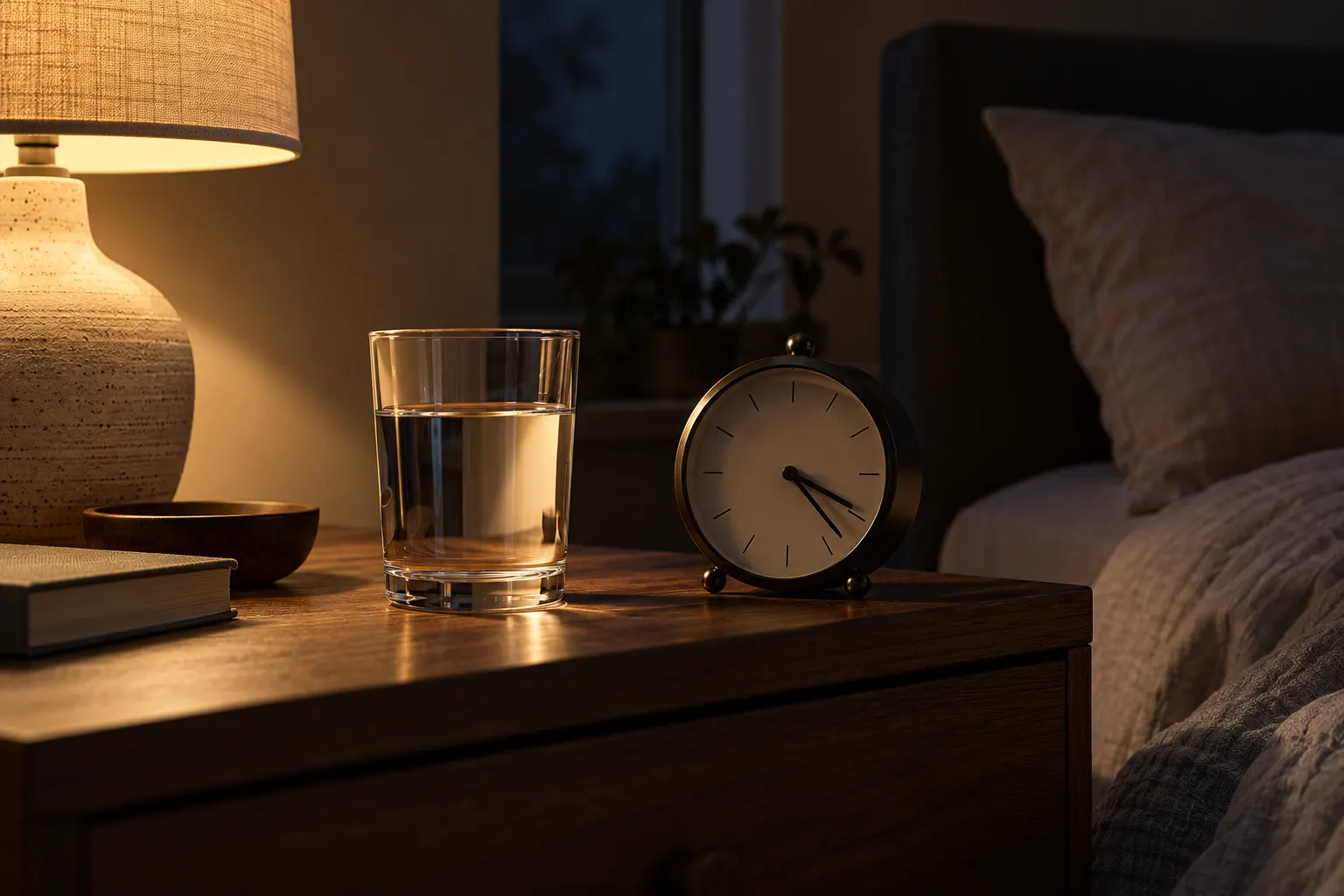
Sleep position and night habits with an enlarged prostate
There is no proven best position to sleep with an enlarged prostate. Sleeping on your side, back, or stomach does not change prostate size. If you wake to urinate, practical steps such as avoiding a large drink right before bed and keeping a regular sleep schedule may help you manage the night, but repeated waking deserves attention if it is new, worsening, or disruptive. Seek prompt care for blood in urine, fever with urinary symptoms, or inability to urinate.
Nighttime trips can be frustrating, especially when they break up sleep and leave you tired the next day. The key is not to blame every trip on the prostate. Nocturia, the need to wake at night to urinate, can relate to urinary symptoms, fluid intake, sleep patterns, medicines, and other health factors. A clinician can help sort through the pattern.
Does sleep position affect an enlarged prostate?
No clinical evidence establishes a particular sleeping position as a way to reduce prostate enlargement or improve urine flow. Position may matter for comfort, back pain, reflux, or breathing for other reasons, but it does not reposition the prostate away from the urethra. Choose a comfortable posture that lets you sleep well, unless your clinician has given you specific advice for another condition.
Advice about the best sleeping position for an enlarged prostate often suggests that lying a certain way will stop night waking. That claim goes beyond what the evidence supports. The prostate sits below the bladder and surrounds part of the urethra; turning onto one side does not change the gland. For a simple anatomy explanation, see where the prostate is located.
Night habits that may make the routine easier
Consider keeping a short diary for a few nights. Note when you drink, when you urinate, and how often you wake. If you drink large amounts close to bedtime, shifting some fluid earlier may reduce the need to get up for some people. Do not cut fluids excessively or ignore thirst. If you take a prescribed medicine that affects urination, ask your clinician whether timing matters; do not change the schedule yourself.
Other low-risk habits include limiting late-evening caffeine or alcohol if you notice that they affect your sleep or bathroom pattern, using a clear path and night light to reduce fall risk, and giving yourself time to fully empty your bladder before bed without straining. These are practical comfort measures, not treatment for BPH. They may not help if the cause is unrelated to fluid timing.
| Habit to consider | Keep in mind |
|---|---|
| Move a large drink earlier in the evening | Maintain normal hydration through the day |
| Notice whether caffeine or alcohol changes your pattern | Effects vary; avoid turning this into a rigid rule |
| Keep a regular bedtime and wake time | Sleep disruption can have causes beyond urination |
| Clear the path to the bathroom | Useful for safety when getting up at night |
| Record symptoms and medicine timing | Share the notes with your clinician before changing a medication |
When to get checked
Make an appointment if night waking is new, persistent, worsening, or affecting your daytime energy. Also mention weak stream, urgency, trouble starting, leakage, pain, or the feeling that your bladder has not emptied. These symptoms may be related to BPH, but other causes are possible. The AUA guideline recommends individualized evaluation of lower urinary tract symptoms attributed to BPH (guideline).
Seek prompt medical attention for blood in urine, painful urination with fever or chills, repeated infections, or a stream that is rapidly worsening. If you cannot urinate, seek urgent care. Complication reviews list retention, infection, hematuria, stones, and other urinary effects among issues that clinicians assess (review).
Bring a list of prescriptions, cold remedies, and supplements to your appointment. Some medication ingredients can affect urination in some men. For example, pseudoephedrine research has assessed urinary symptoms after use, though a small study in men without baseline symptoms cannot predict every individual’s response (study). Ask a pharmacist or doctor before combining products.
For more on nocturia, read waking up at night to pee after 50. If you feel like you still need to go after urinating, see feeling like you still need to pee.
Night waking can become a loop: a person wakes for another reason, notices the urge to urinate, and then concludes that the prostate must be the only cause. The reverse can happen too: urinary urgency wakes someone and makes it hard to fall back asleep. A few nights of notes about whether you woke first or felt bladder urgency first may give your clinician useful context. It still cannot diagnose the reason, but it makes the pattern more concrete.
Think about safety as well as symptom counts. If you are groggy after waking, a well-lit route to the bathroom and removal of loose rugs may help reduce tripping hazards. If you are caring for someone who wakes often, ask whether they feel dizzy or unsteady. These are practical home considerations, not prostate treatments. Repeated disrupted sleep can affect daytime concentration and energy, so mention its impact during the appointment rather than focusing only on the number of bathroom visits.
Try not to make several major routine changes at once. A diary can help you see whether moving fluids earlier or adjusting late caffeine changes your own night. If the pattern stays the same or gets worse, that information is useful too. Do not reduce daytime fluids sharply or change a prescription schedule without professional advice.
What about supplements?
No supplement has been established as a way to improve sleep by changing prostate size, and product claims should not delay an evaluation. Our prostate supplements comparison explains which ingredients have human research and how we scored the labels. The scores are strict and are not a promise of better sleep or urinary results. See our TitanFlow review for the highest-rated urinary label in this group.
Talk to your doctor before starting a supplement, especially if you take medicines. Results vary, and new or worsening symptoms deserve medical care.
Frequently asked questions
What is the best position to sleep with an enlarged prostate?
There is no proven position that changes prostate size or urinary obstruction. Choose a comfortable position for sleep.
Should I stop drinking water at night?
You may try moving a large drink earlier, but do not dehydrate yourself. Discuss frequent night urination with a clinician.
Does sleeping on my stomach help urination?
There is no evidence that stomach sleeping improves prostate-related urine flow. Position is a comfort choice.
Can caffeine make me wake up to pee?
Some people notice a relationship between late caffeine and sleep or urinary patterns. Track your own response and discuss persistent symptoms.
When should nighttime urination be checked?
Get an appointment if it is new, persistent, worsening, or affecting your day. Seek prompt care for blood, fever with urinary pain, or inability to urinate.
Next step
Try a brief bedtime and urination log, then discuss recurring night waking with your clinician. Our guide to waking up at night to pee after 50 can help you prepare.
Where to go next
- Our TitanFlow reviewThe label, the doses next to the research and the seller's terms. Scored 3.6 out of 5
- Every prostate and urinary health guideAll our articles on the topic, grouped by question
- Every prostate and urinary labelCompared side by side, best score first
- All articlesQuestions men over 50 ask, answered with the research
This article is general information about health and lifestyle and is not medical advice. Talk to your doctor before making changes to your health routine, especially if you have a medical condition or take medication.