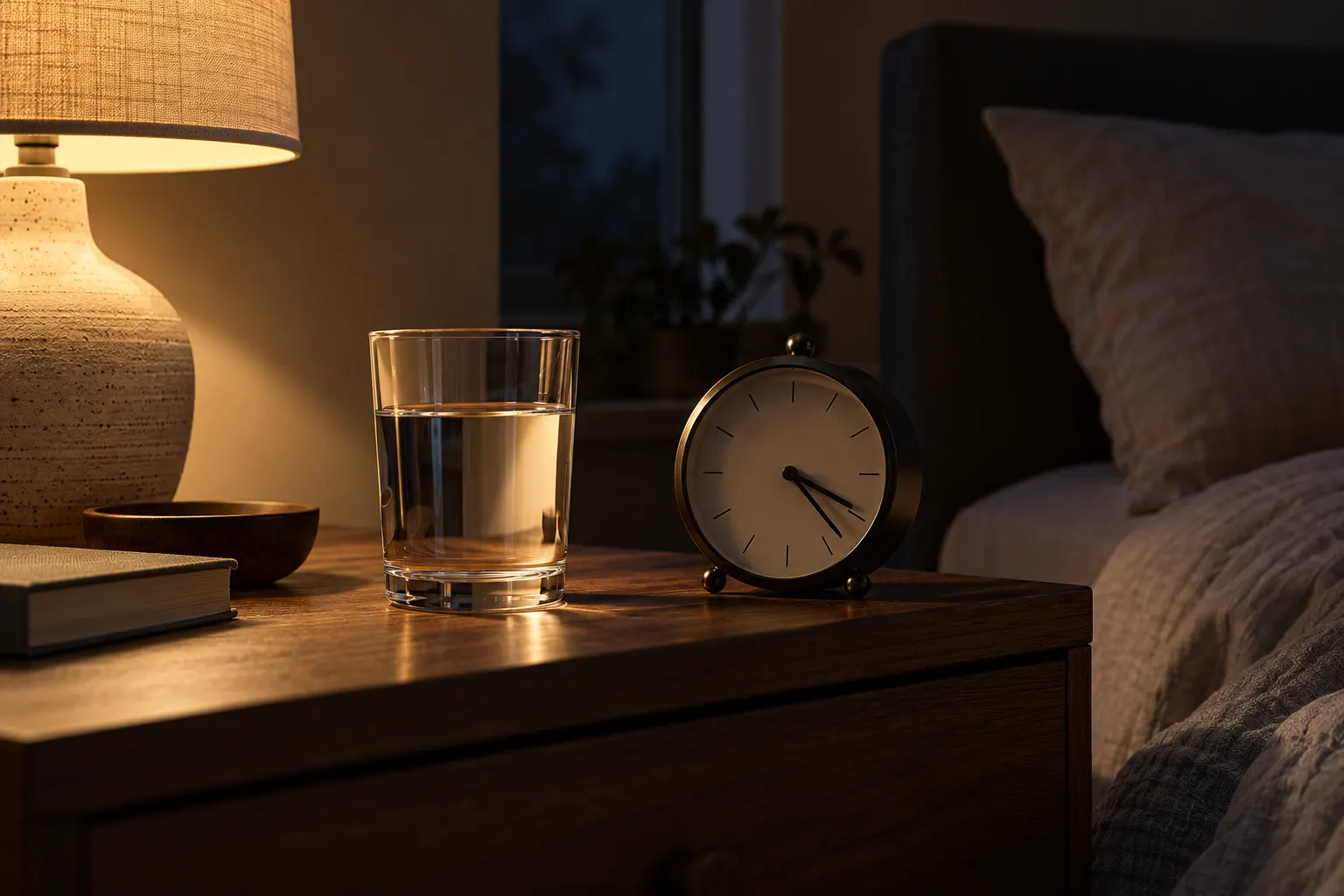
Why do I wake up at night to pee? A guide for men over 50
Waking once in a while to urinate is common, but repeatedly getting up can break your sleep and leave you worn out. In men over 50, there is no single explanation: the bladder, prostate, sleep, fluid timing, medicines, and general health can all play a part. A slower stream or an enlarged prostate is one possibility, not an automatic explanation. Keep a short record of the timing and amount of urine, and arrange a medical visit if the pattern is new, persistent, or affecting daily life.
Seek prompt medical care for blood in the urine, fever or chills with urinary symptoms, painful urination, inability to pass urine, or severe lower abdominal pain. New or worsening symptoms deserve medical care, especially if you feel unwell.
Why nighttime trips happen
Clinicians call waking from sleep to urinate nocturia. It is a symptom, not a diagnosis. A review focused on older men describes several possible contributors: making more urine overnight, making too much urine across the whole day, bladder storage problems, prostate-related obstruction, and sleep disturbance. More than one can occur together. The review on nocturia in older men describes assessment as important because treatment depends on the cause.
| Pattern you notice | Possible explanation to discuss |
|---|---|
| Large amounts each time, including daytime | Fluid timing, medicines, or higher total urine production |
| Small amounts with urgency | Bladder irritation or reduced storage capacity |
| Weak stream, hesitancy, dribbling | A prostate or other outlet issue may be involved |
| Wake for another reason, then decide to urinate | Sleep disruption may come first |
These clues do not identify a cause on their own. A clinician can review your history, examine you when appropriate, and decide whether urine or blood tests are useful. For bothersome nighttime urination, a frequency and volume chart can help distinguish frequent small voids from larger overnight urine production. A clinical review recommends this kind of chart as part of evaluation. Abrams and colleagues
Evening drinks and habits
Drinking a large amount in the few hours before bed can increase the chance that your bladder fills during the night. Alcohol and caffeinated drinks may also affect sleep or urinary urgency for some people. Try shifting more of your usual fluids earlier in the day rather than sharply restricting water. Dehydration is not a good sleep strategy, and the right amount depends on your health, activity, and medicines. If a clinician has asked you to follow fluid limits, follow that advice.
Notice whether late tea, coffee, beer, or a large glass of water seems connected with a worse night. Change one thing at a time for several days and write down what happens. The point is to find a useful pattern, not to assume that a drink is the whole explanation.
Sleep can be part of the loop
Some people wake because of pain, noise, stress, breathing interruptions, or another sleep problem, then urinate because they are already awake. Others wake because bladder pressure is the first signal. These can feel identical in the middle of the night. If you snore loudly, wake gasping, feel very sleepy during the day, or have persistent insomnia, tell your clinician. A sleep issue can coexist with urinary symptoms and may need its own evaluation.
The relationship between sleep and urination can be easier to see in a diary. Record bedtime, when you wake, whether urgency woke you, the time and approximate volume of each void, and morning wake time. The older-men review identifies a frequency-volume chart as a useful assessment tool, while emphasizing that nocturia can have multiple causes. van Doorn and Bosch
Prostate and bladder changes
As men age, prostate enlargement becomes more common. If it narrows the urine outlet, a person may notice a weaker stream, difficulty starting, a stop-start pattern, dribbling, or a feeling that the bladder did not empty. But nighttime urination alone does not prove that the prostate is responsible. Bladder overactivity, urinary infection, stones, and other conditions can also cause urinary changes. A clinician considers the whole symptom pattern rather than making a diagnosis from age alone.
Tell your doctor when the symptoms began, whether they are changing, and how much they disturb sleep. The evaluation may include questions about fluid intake and medicines, a physical exam, urine testing, or other checks based on your situation. The clinical recommendations on older men’s urinary symptoms emphasize symptom impact, examination, and urinalysis, with a frequency-volume chart when nocturia is bothersome. PubMed guideline record
Medicines and other health conditions
Some medicines increase urine production or change bladder function. Timing can matter, but do not move a dose or stop a prescription on your own. Ask the prescriber or pharmacist whether a medicine could contribute and whether the schedule is appropriate for you. Mention over-the-counter medicines and supplements too.
Health conditions that change urine production, fluid balance, or sleep can also be relevant. This is one reason to seek care when the problem is persistent instead of treating it as an inevitable part of getting older. The study of 104 men in a urology clinic found that measured overnight urine production patterns were associated with the number of nighttime voids; the small clinic sample does not establish what is causing symptoms in any one person. Nassau and colleagues
Practical steps to try first
These steps can help you gather useful information and may reduce avoidable disruptions. They are not a substitute for care when symptoms are new, worsening, or concerning.
- Keep a three-day bladder diary. Note drinks, approximate amounts, bedtime, waking times, and urine volumes if practical. Bring it to an appointment. A chart can help a clinician distinguish patterns that sound similar.
- Shift drinks earlier. Keep normal daytime hydration, then avoid large drinks close to bedtime if that is a clear trigger. Do not impose strict fluid restriction without medical guidance.
- Test caffeine and alcohol timing. Try avoiding them later in the day for a week and record whether sleep or urgency changes. Individual response varies.
- Review the sleep environment. Reduce avoidable noise and light, keep a steady bedtime, and discuss persistent insomnia or possible breathing problems with a clinician.
- Make the bathroom trip safer. Use a clear path and a night-light. This matters because a sleepy walk in the dark can raise fall risk.
- Ask about medicines. Bring a complete medication and supplement list. A clinician can assess timing and side effects without risking an unsafe change.
If you have leg swelling, ask your clinician whether the timing of fluid shifts could matter and whether any change is safe for you. Do not start compression garments or change a prescribed diuretic based only on an article. The best next step depends on your health history.
When to call a doctor
Book an appointment if you regularly wake several times, the symptom is new or worsening, you have daytime urinary changes, or poor sleep is affecting work, mood, or safety. Also discuss unexplained thirst, unusually large urine volumes, medication changes, and a history of prostate or bladder problems.
Seek urgent care for blood in urine, inability to urinate, significant pain, or fever and chills with urinary symptoms. If symptoms suddenly worsen or you feel seriously ill, do not wait for a routine appointment. New or worsening symptoms deserve medical care.
What about supplements?
Supplements are not a first step for unexplained nighttime urination. The evidence for commonly marketed prostate ingredients is uneven. In a large year-long trial, pumpkin seed extract capsules did not outperform placebo on the main urinary symptom measure; smaller studies of other preparations have mixed results. A Cochrane review found little to no benefit from saw palmetto for urinary symptoms. GRANU study and Cochrane review
Our prostate supplement comparison guide explains the evidence and label differences. TitanFlow is the highest-rated product in that category in our reviews, with a 3.6 out of 5 score. That is a middle score, not proof it will change symptoms: its pygeum dose matches a studied amount, while beta-sitosterol and lycopene are below trial amounts, and no trial tested the complete formula. See our TitanFlow review. Our scores are strict, and most products in the comparison scored low. Results vary. Talk to your doctor, especially with medications, before trying a supplement.
Nighttime urination is one of the seven questions in the standard symptom questionnaire. Our IPSS prostate symptom score scores it along with the other six, so you can see the whole picture before your appointment.
FAQ
Is it normal to pee once at night after 50?
It can happen, and one occasional trip is not necessarily a sign of a problem. A persistent change, repeated waking, or symptoms that affect your day are worth discussing with a clinician.
Does waking to pee mean I have an enlarged prostate?
No. Prostate enlargement is one possible contributor, but nocturia can also relate to urine production, bladder function, sleep, medicines, and other health conditions.
Should I stop drinking water after dinner?
Avoiding a large drink close to bedtime may help if timing is a trigger, but do not severely restrict fluids. Follow individualized medical advice if you have a fluid limit.
Can coffee make me get up at night?
Caffeine may affect urgency or sleep for some people. Try changing late-day timing and track the result rather than assuming it explains every episode.
When should I seek medical care?
Arrange care for new, persistent, or worsening symptoms. Blood, fever, painful urination, severe pain, or inability to urinate calls for prompt evaluation.
Will a prostate supplement stop nighttime urination?
There is no reliable guarantee. Research differs by ingredient and preparation, and supplements do not explain why symptoms started. Results vary; talk to your doctor, especially with medications. New or worsening symptoms deserve medical care.
Where to go next
- Our TitanFlow reviewThe label, the doses next to the research and the seller's terms. Scored 3.6 out of 5
- Every prostate and urinary health guideAll our articles on the topic, grouped by question
- Every prostate and urinary labelCompared side by side, best score first
- All articlesQuestions men over 50 ask, answered with the research
This article is general information about health and lifestyle and is not medical advice. Talk to your doctor before making changes to your health routine, especially if you have a medical condition or take medication.