
Review · Memory and focus
ProMind Complex review: eight brain ingredients, mostly at token doses
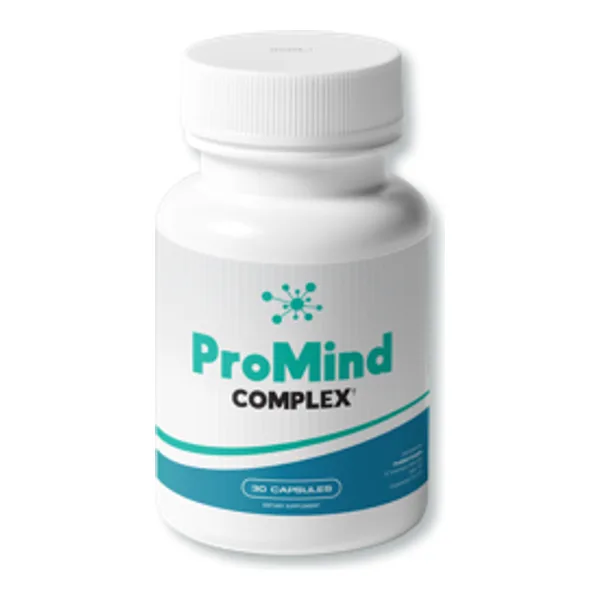
ProMind Complex is a one-capsule memory and focus supplement sold online. Unusually for this category, the label prints every amount. That let us do a precise comparison with the research, and the gap turned out to be wide.
Our verdict: 2 / 5
| Ingredient evidence | 1.5 | Bacopa has modest support in healthy older adults; ginkgo failed two large trials; most other items were studied only in people with diagnosed memory disorders |
|---|---|---|
| Dosing vs. research | 1 | Every ingredient with a trial sits well below the studied amount, from about 40% for bacopa to roughly 1% for huperzine A |
| Label transparency | 3 | All eight doses printed and the sales letter names the same herbs; no extract standardization, and the affiliate page describes a gut product |
| Value and refund terms | 2.5 | $49 to $69 per bottle with free US shipping; 60 days from shipment, all bottles mailed back at your cost |
Worth considering if you take no prescription medicines, want a single capsule that covers several popular memory herbs, and accept that you are buying small amounts of each rather than the doses that were tested.
Probably skip it if you take a statin, a blood thinner, a heart or blood pressure drug or any other daily medicine. The St. John's wort in this formula is known for changing how the body handles many of them. Skip it too if you want trial-level amounts of bacopa or phosphatidylserine; single-ingredient products cover that for less.
Before anything else: occasional forgetfulness is common after 50, but memory changes that are new, getting worse or noticed by family deserve a visit to your doctor. Sleep, hearing, mood, thyroid levels, vitamin B12 and medicine side effects can all affect memory, and several are simple to check.
Smallest order $69, from $49 per bottle, 60-day refund policy from the seller
See the current ProMind Complex packages, shipping and refund termsOpens the seller's page. It may start with a long video or letter; the packages and refund terms are usually further down. We may earn a commission.
Came here for ProMind Complex? The highest-rated memory and focus label we checked is Synaptigen, 2.4 out of 5.
What ProMind Complex is
ProMind Complex is a dietary supplement in bottles of 30 capsules. The label names ProMind Complex of Englewood, Colorado, as the distributor, and refunds go to a warehouse address in Aurora, Colorado. Orders are processed by the BuyGoods retail platform. The label's suggested use is one capsule taken once or twice a day with meals, while the order page prices each bottle as a 30-day supply. At two capsules a day, a bottle lasts about two weeks, so the advertised cost per day assumes the lower serving.
Our link opens a video presentation. Its headline links an everyday habit to a sharply faster course of a form of dementia, quoting a 73% figure with no source on the page. A written version is signed by a "Carl Henderson," described as a psychology professor in Austin, Texas, who offers six sensible memory habits (water, sleep, mnemonics) before introducing the formula. We could not identify this person.
A formula we have seen before
When we read the ProMind Complex label, it looked familiar. Seven of its eight ingredients, at exactly the same amounts, appear on the label of TribalForce X, a product sold for men's vitality that we reviewed earlier: 250 mg St. John's wort, 150 mg L-glutamine, 125 mg phosphatidylserine complex, 120 mg bacopa, 50 mg ginkgo, 50 mg acetyl-L-carnitine and 10 mcg huperzine A. The two labels differ in one slot. TribalForce X lists 5 mg of alpha-GPC, and ProMind Complex lists 2 mg of vinpocetine. The labels are not identical, so we treat them as close siblings rather than the same product. Our TribalForce X review covers that one.
If you have tried TribalForce X, ProMind Complex is very nearly the same capsule. The formula reads like a memory blend, which fits this product's marketing better than it fit a vitality product.
The seller's terms forbid copying site content, so we describe the label rather than reproduce it. Per capsule:
- St. John's wort (flower) 250 mg
- L-glutamine 150 mg
- Phosphatidylserine 4% complex (contains lecithin) 125 mg
- Bacopa monnieri extract (leaf) 120 mg
- Ginkgo biloba (leaf) 50 mg
- N-acetyl L-carnitine hydrochloride 50 mg
- Vinpocetine (seeds) 2 mg
- Huperzine A (aerial parts) 10 mcg
The capsule shell is bovine gelatin, and the label carries a soy allergen warning. No extract ratio or standardization is given for St. John's wort, bacopa or ginkgo, which matters because the trials used standardized extracts.
The formula next to the research
We compared the amounts used in human trials with one capsule. Taking two does not close any of these gaps.
| Ingredient | Per capsule | Amount in trials | How it compares |
|---|---|---|---|
| Bacopa extract | 120 mg (standardization not stated) | 300 mg/day of a standardized extract [2] [3] | About 40% of the studied amount |
| Ginkgo leaf | 50 mg | 120 to 240 mg/day of extract [4] [5] | A quarter to under half, in an ingredient that did not beat placebo |
| Phosphatidylserine | 125 mg of a 4% complex (about 5 mg) | 100 to 300 mg/day [6] [7] | Roughly 20 to 60 times lower |
| Acetyl-L-carnitine | 50 mg | 1,500 to 3,000 mg/day [8] | 30 to 60 times lower |
| Vinpocetine | 2 mg | 30 to 60 mg/day [9] | 15 to 30 times lower |
| Huperzine A | 10 mcg | 400 to 800 mcg/day [12] | 40 to 80 times lower |
| St. John's wort, L-glutamine | 250 mg, 150 mg | No memory trials found | Cannot be compared |
Bacopa: the one with consistent results
Bacopa is an Ayurvedic herb with the best memory record on this label. A meta-analysis of nine randomized trials (518 people) that ran at least 12 weeks found faster attention and reaction times with standardized extracts [1]. In Oregon, 54 adults aged 65 and older (average age 73.5) took 300 mg a day for 12 weeks and scored better than placebo on delayed word recall [2]. In Australia, 98 healthy adults over 55 took 300 mg of a branded extract for 12 weeks and improved on verbal learning and delayed recall, with more stomach side effects than placebo [3]. ProMind Complex has 120 mg of an extract with no stated bacoside content, so we cannot tell how close it comes.
Ginkgo: two large trials, no difference
Ginkgo is probably the best-known memory herb, and it has been tested properly. In a six-week trial of 230 healthy adults over 60, 40 mg three times a day made no difference on any memory, attention or language test, or in how spouses and friends rated them [4]. The GEM study then followed 3,069 adults aged 72 to 96 for a median of six years on 120 mg twice a day. Rates of change in memory, attention, language and executive function were the same as with placebo [5]. ProMind Complex's 50 mg is below both doses.
Phosphatidylserine and acetyl-L-carnitine: studied, but not at these amounts
Phosphatidylserine is a fat found in cell membranes. In a six-month Japanese trial, 78 adults aged 50 to 69 with memory complaints took 100 or 300 mg a day. All groups improved, placebo included; only among those with the lowest starting scores did the supplement groups pull ahead [6]. An older Italian trial in 494 patients aged 65 to 93 with moderate to severe cognitive decline used 300 mg a day for six months and reported better behavioral and cognitive scores than placebo [7]. A "4% complex" at 125 mg works out to about 5 mg of phosphatidylserine, if 4% describes its content.
Acetyl-L-carnitine has a meta-analysis of placebo-controlled trials in people with mild cognitive impairment or early Alzheimer disease, showing a small advantage over placebo at 1.5 to 3 g a day for 3 to 12 months [8]. Those are patients with a diagnosis, at 30 to 60 times the ProMind Complex amount.
Vinpocetine and huperzine A: drug-like compounds in small amounts
Vinpocetine is a semi-synthetic compound derived from a periwinkle alkaloid. It is sold as a medicine in some countries but has never been approved as a drug in the United States. A Cochrane review found three trials from before the 1990s in 583 people with dementia, using 30 to 60 mg a day, and judged the evidence inconclusive [9]. The label's "(Seeds)" source is unusual; the review describes vinpocetine as synthetic. When US researchers tested 23 supplements labeled with vinpocetine, six contained none and the rest held anywhere from 0.3 to 32 mg per serving [10].
Huperzine A comes from a club moss and blocks the enzyme that breaks down acetylcholine, a messenger chemical in the brain. A Cochrane review of six trials (454 people with Alzheimer disease) found some benefit but said only one trial was of adequate quality and size, too little to support a recommendation [11]. The largest US trial, in 210 people with mild to moderate Alzheimer disease, found no benefit at 200 mcg twice a day and a possible one at 400 mcg twice a day [12]. ProMind Complex lists 10 mcg. Lab testing of 22 huperzine products found that only two contained an amount within 10% of the label [13].
St. John's wort and L-glutamine: the largest amounts, the least memory research
By weight, St. John's wort is the main ingredient. It is studied for mood, and we found no memory trial in older adults; its relevance here is safety, covered below. We found no memory trial of L-glutamine either.
What the marketing claims, and what we could verify
- The 73% headline. The video page gives no source, and we could not match the figure to a publication. ProMind Complex has no published trial of its own, so nothing links the capsule to that statistic.
- "Research-proven" memory support. Some ingredients have research behind them, at much higher doses. The formula as sold has not been tested.
- The seller's reference list. It has eight links, one of them repeated: a 2005 review of huperzine A, a mouse study of St. John's wort, a review of bacopa, a Japanese study on tooth loss and memory, a news story on the same topic, a pilot trial on fatigue in multiple sclerosis, and a pilot on L-carnitine and muscle in older women. None tests ProMind Complex, and several do not test its ingredients for memory at all.
- The affiliate page. The seller's own page for affiliates describes the product as a gut formula of probiotics and prebiotics. That text does not match the label in any way. It appears to come from another product.
Price, packages and refund policy
Prices on the order page reached through our link when we checked:
- 6 bottles: $49 each ($294 total), free US shipping. About $1.63 a day at one capsule.
- 3 bottles: $59 each ($177 total), free US shipping.
- 1 bottle: $69, free US shipping.
Every package is a one-time payment. The page's order data also lists additional bottles offered after purchase at a lower per-bottle price; we did not go through checkout. Shipping to Canada, the UK, Ireland, Australia and New Zealand costs $15.95.
The written presentation describes a 60-day "empty-bottle" guarantee. The separate refund policy page is stricter: you have 60 days from the date your order ships, you must send back all the bottles, and you pay the return postage. A refund form comes with the order. The bacopa and phosphatidylserine trials ran 12 weeks to six months, longer than this window, so a fair trial of the formula and a refund deadline do not fit together well. Note the ship date if you order.
ProMind Complex packages on the seller's site
6 bottles, 180-day supply
$49/bottle
$294 total · Free US shipping
Lowest price per bottle
Check the 6-bottle priceButtons open the seller's ProMind Complex website, where you choose your supply and complete the order. Prices as listed on the seller's site on October 23, 2026; the price shown at checkout is final.Orders are covered by a 60-day refund policy from the seller (see their terms). We may earn a commission.
Safety
St. John's wort is the main concern. In a JAMA study, two weeks of St. John's wort halved blood levels of a test drug by speeding up a liver enzyme called CYP3A4, which handles at least half of all marketed medicines [14]. A 2017 review of human studies found clinically important interactions with heart drugs, cholesterol-lowering drugs, oral contraceptives, immune-suppressing drugs and cancer medicines, some of them life-threatening [15]. ProMind Complex uses less than those studies and does not state its hyperforin content (the component mainly responsible), so the size of the effect is unknown. That is the reason to ask first. The label itself warns about sun sensitivity, MAO inhibitor drugs and a history of seizures.
Ginkgo and bleeding. A meta-analysis of 18 trials found no meaningful change in clotting measures with standardized ginkgo extract [16]. The label still advises stopping two to three weeks before surgery or dental work and avoiding it with blood thinners; follow that advice.
Huperzine A and vinpocetine act on the body more like medicines than foods, and lab tests show supplement labels for both are often inaccurate [13] [10]. A review of cognitive enhancers in healthy people concluded that their benefit is uncertain and flagged possible harms [17]. Bacopa trials reported stomach upset [3].
Talk to your doctor or pharmacist before starting ProMind Complex if you take any prescription medicine, especially for the heart, blood pressure, cholesterol, mood, blood clotting or memory. New or worsening memory problems, confusion or changes in personality deserve medical attention rather than a supplement. Results vary from person to person.
What we liked and what gave us pause
Liked
- Every dose is printed; no proprietary blend
- The written presentation and the label name the same herbs
- Bacopa, the best-supported ingredient here, is included
- One-time payment with free US shipping
Gave us pause
- Doses are a small fraction of trial amounts across the board
- St. John's wort brings a real risk of drug interactions
- Ginkgo, a centerpiece of memory marketing, failed large trials
- Refund window runs from shipment and requires every bottle back
- Unsourced headline statistic and an unverifiable presenter
Frequently asked questions
How many capsules should I take?
The label says one capsule once or twice a day with meals. The pricing assumes one a day. If you take two, a bottle lasts about 15 days.
Where is it sold?
Only on the seller's website, with orders handled by BuyGoods. The seller does not allow it on Amazon, eBay or other marketplaces, so listings there may not be genuine or covered by the refund policy.
Want to read the seller's page yourself? The link below opens the ProMind Complex video presentation, where you can see the packages and the refund policy links.
See ProMind Complex pricesHow we reviewed ProMind Complex
We read the video page, the written presentation, the Supplement Facts label posted on the seller's references page, the refund and shipping policies and the affiliate terms. We searched PubMed for human trials of each ingredient on memory and thinking in older adults and compared those doses with the label, and we checked the main ingredients for interaction warnings. We did not test the product on people, and nobody at Stark Verve is a medical professional. Read our editorial policy to learn how we choose and update reviews. Stark Verve earns a commission if you buy through our links; that never changes what we write about the evidence.
References
- Kongkeaw C, et al. Meta-analysis of randomized controlled trials on cognitive effects of Bacopa monnieri extract. J Ethnopharmacol. 2014;151(1):528-35. PMID 24252493
- Calabrese C, et al. Effects of a standardized Bacopa monnieri extract on cognitive performance, anxiety, and depression in the elderly: a randomized, double-blind, placebo-controlled trial. J Altern Complement Med. 2008;14(6):707-13. PMID 18611150
- Morgan A, Stevens J. Does Bacopa monnieri improve memory performance in older persons? Results of a randomized, placebo-controlled, double-blind trial. J Altern Complement Med. 2010;16(7):753-9. PMID 20590480
- Solomon PR, et al. Ginkgo for memory enhancement: a randomized controlled trial. JAMA. 2002;288(7):835-40. PMID 12186600
- Snitz BE, et al. Ginkgo biloba for preventing cognitive decline in older adults: a randomized trial. JAMA. 2009;302(24):2663-70. PMID 20040554
- Kato-Kataoka A, et al. Soybean-derived phosphatidylserine improves memory function of the elderly Japanese subjects with memory complaints. J Clin Biochem Nutr. 2010;47(3):246-55. PMID 21103034
- Cenacchi T, et al. Cognitive decline in the elderly: a double-blind, placebo-controlled multicenter study on efficacy of phosphatidylserine administration. Aging (Milano). 1993;5(2):123-33. PMID 8323999
- Montgomery SA, Thal LJ, Amrein R. Meta-analysis of double blind randomized controlled clinical trials of acetyl-L-carnitine versus placebo in the treatment of mild cognitive impairment and mild Alzheimer's disease. Int Clin Psychopharmacol. 2003;18(2):61-71. PMID 12598816
- Szatmari SZ, Whitehouse PJ. Vinpocetine for cognitive impairment and dementia. Cochrane Database Syst Rev. 2003;(1):CD003119. PMID 12535455
- Avula B, et al. Identification and quantification of vinpocetine and picamilon in dietary supplements sold in the United States. Drug Test Anal. 2016;8(3-4):334-43. PMID 26426301
- Li J, et al. Huperzine A for Alzheimer's disease. Cochrane Database Syst Rev. 2008;(2):CD005592. PMID 18425924
- Rafii MS, et al. A phase II trial of huperzine A in mild to moderate Alzheimer disease. Neurology. 2011;76(16):1389-94. PMID 21502597
- Crawford C, et al. The scoop on brain health dietary supplement products containing huperzine A. Clin Toxicol (Phila). 2020;58(10):991-996. PMID 31990212
- Markowitz JS, et al. Effect of St John's wort on drug metabolism by induction of cytochrome P450 3A4 enzyme. JAMA. 2003;290(11):1500-4. PMID 13129991
- Soleymani S, et al. Clinical risks of St John's Wort (Hypericum perforatum) co-administration. Expert Opin Drug Metab Toxicol. 2017;13(10):1047-1062. PMID 28885074
- Kellermann AJ, Kloft C. Is there a risk of bleeding associated with standardized Ginkgo biloba extract therapy? A systematic review and meta-analysis. Pharmacotherapy. 2011;31(5):490-502. PMID 21923430
- Schifano F, et al. Benefits and harms of 'smart drugs' (nootropics) in healthy individuals. Drugs. 2022;82(6):633-647. PMID 35366192