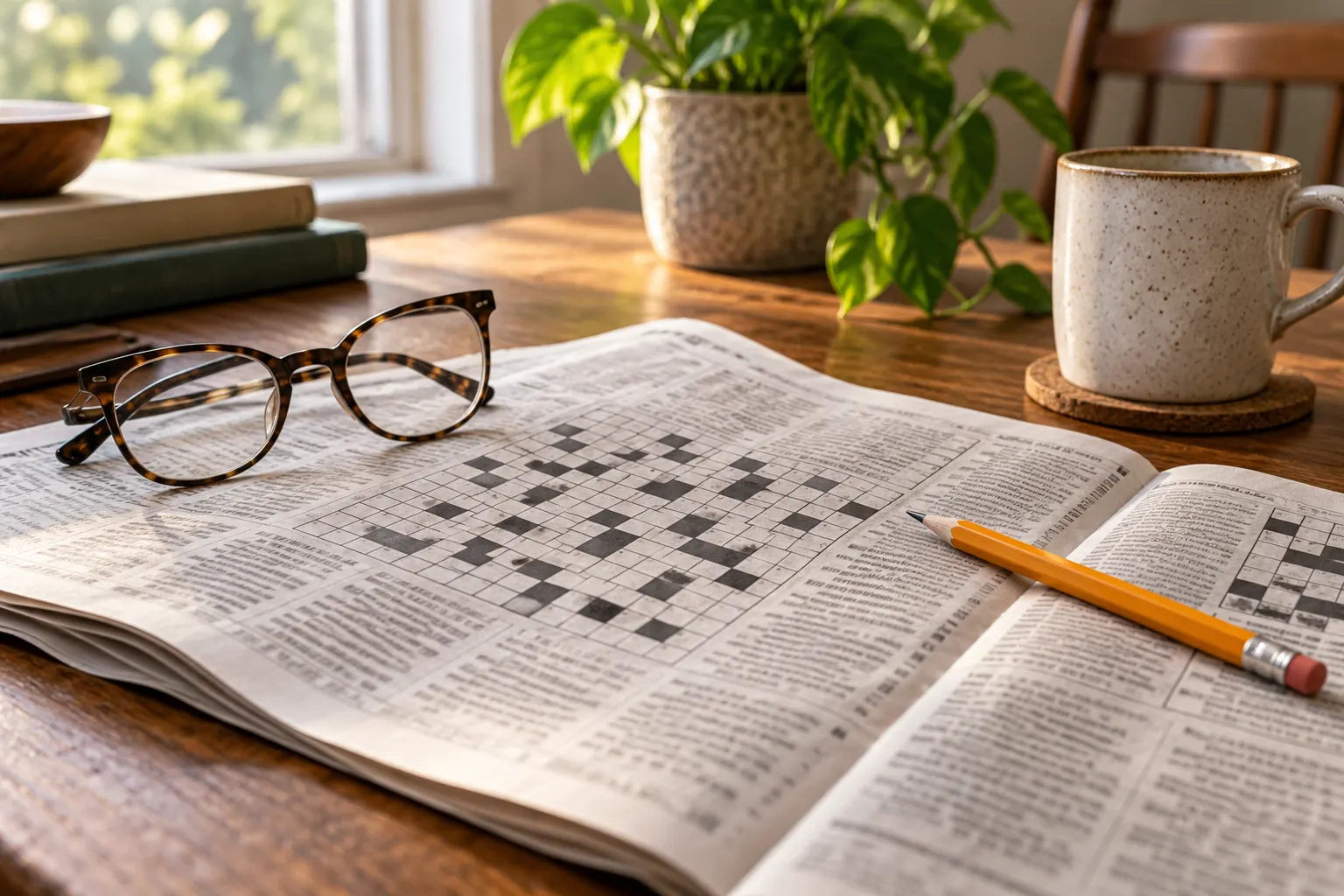
Normal memory changes with age vs early warning signs
Is memory loss a normal part of aging? Some changes are. As people get older, they may take longer to learn something new or need a moment to recall a name, then remember it later. That is different from repeatedly forgetting recent conversations, getting lost in familiar places, or losing the ability to manage ordinary tasks. Those changes deserve a medical evaluation. Age alone cannot explain a person’s symptoms, and a clinician can check for treatable contributors as well as cognitive disorders.
What forgetfulness can look like with age
Normal aging can affect the speed and efficiency of thinking. You might walk into a room and need a second to remember why, misplace your glasses, or struggle to retrieve a familiar name. Often a clue, reminder, or extra time brings the information back. You can still follow a conversation, learn routines, make decisions, and handle the responsibilities that matter to you.
A memory slip is more concerning when it is frequent, getting worse, or interfering with independence. Examples include asking the same question several times because the answer does not stick, missing bills despite reminders, making unsafe errors with familiar equipment, or being unable to follow a recipe you have used for years. One incident does not establish a diagnosis. A change in pattern and its effect on daily life matter more than age by itself.
People often ask what memory loss in old age is called. There is no single name for every lapse. “Age-associated memory change” is an informal description of mild changes that can accompany aging. Mild cognitive impairment, or MCI, is a clinical term for measurable thinking or memory difficulty that is greater than expected for age but does not substantially remove independence. Dementia describes a level of cognitive decline that interferes with daily function. Dementia is a syndrome with several possible causes, including Alzheimer’s disease; the terms are related, but they are not interchangeable. A review of dementia prevention and care discusses the range of cognitive conditions and the importance of assessment and support.
For more on the distinction, see early signs of dementia and dementia vs Alzheimer’s disease. If you are unsure what counts as a lapse, forgetting names at 60 and walking into a room and forgetting why look at those common experiences in more detail.
Warning signs that need medical attention
Arrange a prompt appointment with a health professional if memory or thinking problems are worsening over weeks or months, disrupting work or home responsibilities, or concerning someone who knows you well. Getting lost in a familiar neighborhood, struggling to manage money or medications, repeating stories without realizing it, or making an unusual number of judgment errors are reasons to be checked. The person noticing the change may be you or a family member.
Some symptoms need urgent help. Sudden confusion, sudden trouble speaking or understanding, a drooping face, or weakness or numbness on one side can signal a stroke. Call 911. Do not wait to see whether the symptoms pass. If low mood comes with thoughts of self-harm, call or text 988 in the United States for the Suicide and Crisis Lifeline, or seek emergency care if there is immediate danger.
A doctor may ask when the changes began, how they affect daily activities, what medicines and supplements you use, and whether sleep, mood, hearing, or general health has changed. They may use a validated cognitive screening tool, examine you, review medications, and order tests based on your history. A screening result is one piece of information, not a diagnosis by itself. Online quizzes cannot establish whether you have dementia. See online memory tests: what they can and cannot tell you for more context.
Common contributors worth checking
Do not assume that forgetfulness is simply old age. Memory can be affected by poor sleep, sleep apnea, stress, depression, alcohol, hearing or vision problems, medication side effects, vitamin B12 deficiency, thyroid problems, and other health conditions. More than one factor may be present. Some of these are treatable, but the right response depends on a clinician’s assessment. Do not stop or change prescription medicines on your own. Bring a current medication and supplement list to your appointment.
If a change came on quickly, followed an illness or a medication change, or is accompanied by other new symptoms, contact a health professional rather than trying to identify the cause alone. The article memory loss causes explains how clinicians think through possible contributors, while medications that can affect memory covers why a medication review can be useful.
Habits that support brain health
Healthy routines are useful for overall health and may support thinking, though no habit guarantees that memory problems will not develop. The FINGER randomized trial followed adults ages 60 to 77 who had risk factors for cognitive decline. A two-year program combining diet, exercise, cognitive training, and monitoring of vascular risks produced a small advantage in cognitive test scores compared with general health advice. It tested a combined program in a selected group, so it does not show that one food or activity prevents dementia. Read the trial abstract.
Start with changes that fit your health and life:
- Move regularly. Walking, strength work, or another activity you can do safely helps general cardiovascular health. If you have been inactive or have a chronic condition, ask your clinician what level is appropriate. Exercise was one component of the FINGER program, not a stand-alone guarantee.
- Choose a varied eating pattern. Build meals around vegetables, fruit, beans, whole grains, nuts, and fish if those foods suit you. The FINGER study assessed a dietary pattern as part of a broader intervention, so evidence does not justify promising that a single “brain food” will preserve memory. See foods for brain health.
- Protect sleep and address hearing. Keep a steady sleep schedule and mention loud snoring, pauses in breathing, or persistent insomnia to a clinician. Make sure hearing difficulties are assessed; missed words can make conversations harder to follow and remember. In a 2025 secondary analysis of the ACHIEVE trial, hearing intervention appeared to slow cognitive decline among participants in the highest predicted-risk group, although that finding does not mean hearing treatment prevents dementia for everyone. Read the analysis. A health professional can help identify the right evaluation and treatment.
- Keep mentally and socially engaged. Reading, learning a skill, conversation, and hobbies can make life richer and give the brain practice. In the ACTIVE trial, older adults improved most in the specific thinking skill they trained, and some gains lasted at follow-up. The memory training did not significantly reduce self-reported difficulty with daily activities, so puzzles should not be sold as a way to prevent dementia. See the trial.
- Manage health conditions with your clinician. Keep up with recommended care for blood pressure, diabetes, depression, and other conditions. If alcohol use is heavy or hard to control, tell your doctor; support is available. These steps are part of general health care, not a substitute for an evaluation of memory changes.
Use calendars, a consistent place for keys, written reminders, and one task at a time as practical supports. These tools reduce everyday friction. They do not indicate failure, and they do not replace a medical assessment when problems are progressing.
What about supplements?
There is no supplement that should be presented as preventing or slowing dementia. Correcting a documented deficiency is different from taking a high-dose product without knowing whether you need it. Talk with your doctor before using supplements, especially if you take medications, since interactions and side effects are possible. Results vary, and new or worsening symptoms deserve medical care.
If you want to compare labels, our memory supplement comparison explains what we checked. Our scores are strict, and the top-rated memory label, Synaptigen, has a modest score. That score describes the label and evidence review, not a promise of a memory benefit. Supplements should not delay an appointment or replace recommended treatment.
Next step
If the change is persistent, worsening, or affecting daily tasks, write down examples and arrange a clinician visit. Bring someone who has noticed the change if you are comfortable doing so. If you are mainly looking for practical routines, start with foods and habits for memory after 50. Either way, get new or worsening symptoms checked rather than relying on a supplement or online test.
Frequently asked questions
Is memory loss a normal part of aging?
Some slower recall and occasional lapses can occur with age. Repeatedly forgetting recent information, losing independence, or worsening symptoms are reasons to seek an evaluation.
Is forgetfulness in old age the same as dementia?
No. Dementia involves cognitive difficulties that interfere with everyday function. Occasional forgetfulness can happen without dementia, and only an appropriate clinical evaluation can clarify what is happening.
What is memory loss in old age called?
It depends on the degree and effect of the change. Mild age-related lapses do not have one single diagnostic name. MCI and dementia are clinical terms with different criteria and levels of impact.
What is the difference between forgetfulness and dementia?
With ordinary lapses, a person often remembers later or manages daily life as usual. Dementia-related difficulties tend to persist or progress and interfere with familiar tasks, judgment, or independence. This is a general distinction, not a home diagnostic test.
When should I worry about memory loss?
Seek care when problems worsen, disrupt daily activities, or include getting lost in familiar places. Sudden confusion, trouble speaking, facial drooping, or one-sided weakness or numbness require a 911 call.
Results vary from person to person. Talk to your doctor, especially if you take medications or are considering a supplement. New or worsening symptoms deserve medical care.
Where to go next
- Our Synaptigen reviewThe label, the doses next to the research and the seller's terms. Scored 2.4 out of 5
- Every brain and memory guideAll our articles on the topic, grouped by question
- Every memory and focus labelCompared side by side, best score first
- All articlesQuestions men over 50 ask, answered with the research
This article is general information about health and lifestyle and is not medical advice. Talk to your doctor before making changes to your health routine, especially if you have a medical condition or take medication.